1. Home
  2. >

The difference between plastic molds and injection molds

Plastic mold is the mother of industry, in people’s lives in plastic products almost, has occupied various categories, such as life we can see at any time in the car electronic products, small appliances and other substances, some of their plastic parts are through plastic mold injection molding, when a product is born, open mold is essential, and we need to find a mold factory, often thought that the injection mold and plastic mold is the same meaning, then understand the difference between plastic mold and injection mold. A meaning, then understand the difference between plastic molds and injection molds, LiangChang mold will take you to understand the difference between!

Plastic mold, a kind of combined plastic mold used for compression molding, extrusion molding, injection molding, blow molding and low-foaming molding, mainly includes concave mold with variable cavity composed of concave mold combination base plate, concave mold assembly and concave mold combination cardboard, convex mold with variable core composed of convex mold combination base plate, convex mold assembly, convex mold combination cardboard, cavity truncation assembly and side truncation combination plate. Coordinated variation of mold convex and concave dies and auxiliary molding system. Series of plastic parts of different shapes and sizes can be processed.

Plastic mold is a mold frame, mold core designed by professional engineers, processed by professional equipment and professional technicians, injection molding refers to the mass production of certain plastic products in the shape of complex parts used in a processing method. Specifically refers to the heat melted plastic by the injection molding machine high-pressure injection into the mold cavity, after cooling and curing, to get the molded product. Injection mold by the front and rear mold two parts, after the mold is installed in the injection molding machine on the mobile template, the front mold is installed in the injection molding machine on the fixed template, in the injection molding before and after the mold closure constitutes the pouring system and the cavity in the injection molding machine molding after the cold to remove the plastic products.

From the above, we can see that there is still a certain difference between plastic molds and injection molds, but also to facilitate communication between us and plastic mold manufacturers to avoid causing mistakes.

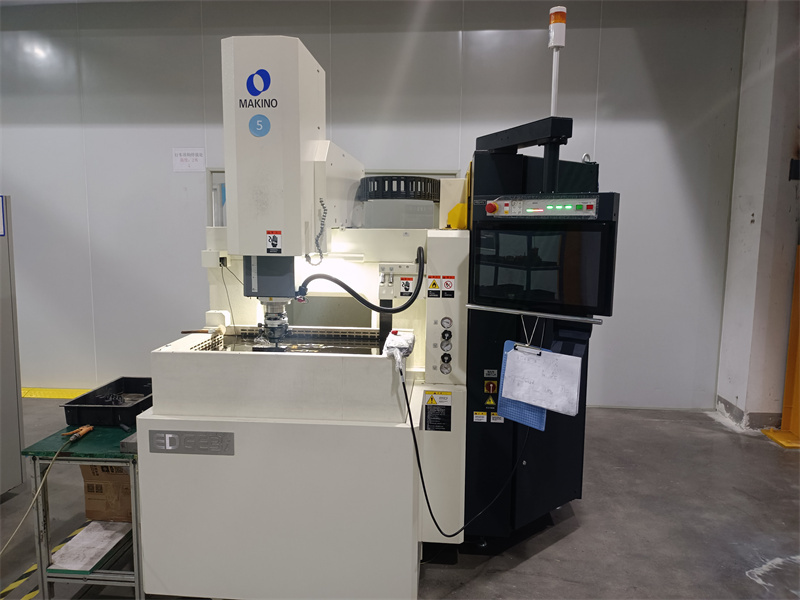
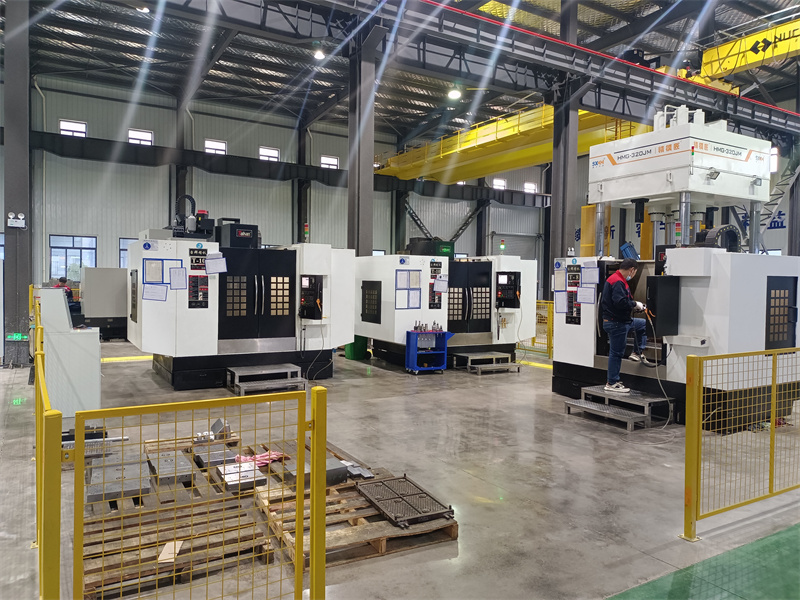
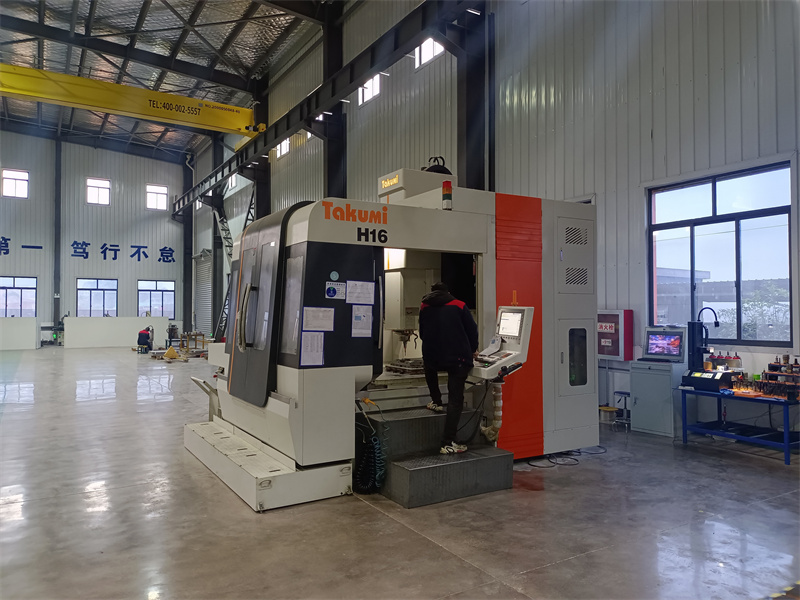
Dongguan Liangchang Moulding Co.,Ltd specializes in the design and manufacture of various types of plastic molds, such as plastic molds for automobile parts, plastic molds for small appliances, plastic molds for refrigerators, plastic molds for washing machines, plastic molds for medical devices, plastic molds for connectors, plastic molds for office supplies, etc. plastic molds, such as automotive parts plastic molds, small home appliances plastic molds, refrigerator plastic molds, washing machine plastic molds, plastic molds for medical devices, plastic molds for connectors, plastic molds for office supplies, and other plastic molds and injection molding products processing manufacturers. Plastic molds and injection molding products processing manufacturers in various fields.
Meaning and classification of plastic moulds

meaning

General definition of mould: in industrial production, various presses and special tools installed on the presses are used to make metal or non-metallic materials into parts or products of the required shape through pressure. Such special tools are collectively referred to as moulds。
Injection molding process description: mold is a tool for producing plastic products. It is composed of several groups of parts, in which there is a molding cavity. During injection molding, the mold is clamped on the injection molding machine, the molten plastic is injected into the molding mold cavity, cooled and shaped in the cavity, then the upper and lower molds are separated, the products are ejected from the mold cavity through the ejection system, and the mold is closed again for the next injection molding. The entire injection molding process is cyclic。

classification

A.Injection molding mold – TV shell, keyboard buttons, electronic products, plastic products around computers, toys, household products (widely used)
B.Blowing mould – beverage bottle
C.Compression molding die – bakelite switch, scientific porcelain bowl and dish
D.Transfer molding die – integrated circuit products
E.Extrusion molding die – glue pipe, plastic bag
F.Thermoforming mould – transparent forming package shell
G.Rotary molding mould – soft plastic doll toy

Development of Plastic Mold

All kinds of tools and products used in our daily production and life, ranging from the base and body shell of the machine tool to the shell of a germ head screw, button and various household appliances, are closely related to the mold. The shape of the mold determines the shape of these products, and the processing quality and precision of the mold also determine the quality of these products. Because of the different materials, appearances, specifications and uses of various products, molds are divided into casting molds, forging molds, die-casting molds, stamping molds and other non plastic molds, as well as plastic molds。
In recent years, with the rapid development of the plastic industry and the continuous improvement of the strength and precision of general and engineering plastics, the application scope of plastic products is also expanding, such as household appliances, instruments and meters, building equipment, automobile industry, daily hardware and many other fields, and the proportion of plastic products is increasing rapidly. A reasonably designed plastic part can often replace multiple traditional metal parts. The trend of plasticization of industrial products and daily products is rising。

Structure of plastic mould

It mainly includes a female die with a variable cavity composed of a female die combination substrate, a female die component and a female die combination card board, and a male die with a variable core composed of a male die combination substrate, a male die component, a male die combination card board, a cavity cutting component and a side section combination board。
In order to improve the performance of plastics, various auxiliary materials such as fillers, plasticizers, lubricants, stabilizers, colorants, etc. should be added to the polymer to become plastics with good performance。
1、Synthetic resin is the main component of plastics, and its content in plastics is generally 40%~100%. Because of the large content and the nature of resin, people often regard resin as a synonym of plastic. For example, PVC resin and PVC plastic, phenolic resin and phenolic plastic are confused. In fact, resin and plastic are two different concepts. Resin is a kind of raw polymer, which is not only used to make plastics, but also raw materials for coatings, adhesives and synthetic fibers. In addition to a few plastics containing 100% resin, most plastics need to add other substances besides the main component resin。
2、Filler
Fillers, also called fillers, can improve the strength and heat resistance of plastics and reduce costs. For example, the addition of wood flour to phenolic resin can greatly reduce the cost, make phenolic plastic one of the cheap plastics, and significantly improve the mechanical strength. Fillers can be divided into organic filler and inorganic filler. The former includes wood powder, rag, paper and various fabric fibers, while the latter includes glass fiber, diatomite, asbestos, carbon black, etc。
3、Plasticizer
Plasticizer can increase plasticity and softness of plastics, reduce brittleness and make plastics easy to process and shape. Plasticizers are generally high boiling point organic compounds that are miscible with resins, non-toxic, odorless, and light and heat stable. Phthalates are commonly used. For example, when producing PVC plastics, if more plasticizers are added, soft PVC plastics can be obtained; if no or less plasticizers are added (dosage< 10%), hard PVC plastics can be obtained。
4、Stabilizer
In order to prevent the synthetic resin from being decomposed and destroyed by light and heat in the process of processing and use, and to extend its service life, a stabilizer should be added to the plastic. Stearate and epoxy resin are commonly used。
5、Colorant
Colorants can make plastics have various bright and beautiful colors. Organic dyes and inorganic pigments are commonly used as colorants。
6、lubricant
The function of the lubricant is to prevent the plastic from sticking to the metal mold during molding, and to make the plastic surface smooth and beautiful. Common lubricants include stearic acid and its calcium magnesium salts. In addition to the above additives, flame retardants, foaming agents, antistatic agents, etc. can also be added to plastics。
en_USEnglish